

In recent years, the concept of multi - scenario delivery robots has been gaining significant traction in various industries. As a supplier of multi - scenario delivery robots, I am often asked whether these robots can be effectively used for food delivery. In this blog, we will explore the feasibility, advantages, and challenges of using multi - scenario delivery robots for food delivery.
Feasibility of Using Multi - Scenario Delivery Robots for Food Delivery
Multi - scenario delivery robots are designed to operate in a variety of environments, such as factories, warehouses, and public spaces. Their adaptability makes them a potential candidate for food delivery. These robots are equipped with advanced sensors, navigation systems, and software that enable them to move autonomously, avoid obstacles, and reach their destinations efficiently.
One of the key factors in food delivery is the ability to maintain the temperature of the food. Many multi - scenario delivery robots can be customized with insulated compartments to keep food hot or cold during transit. For example, our Food Material Conveying AMR can be configured with temperature - controlled containers, ensuring that the food arrives at the customer's doorstep in optimal condition.
Advantages of Using Multi - Scenario Delivery Robots for Food Delivery
Cost - Efficiency
Traditional food delivery methods often involve high labor costs. By using multi - scenario delivery robots, restaurants and food delivery services can significantly reduce their operational expenses. Robots do not require salaries, benefits, or breaks, which can lead to substantial savings in the long run.
24/7 Availability
Unlike human delivery personnel, multi - scenario delivery robots can operate around the clock. This means that food can be delivered at any time of the day or night, meeting the demands of customers who have non - traditional schedules.
Accuracy and Reliability
Robots are programmed to follow specific routes and deliver food to the correct addresses. They are less likely to make mistakes compared to human delivery drivers, which can improve customer satisfaction. Our SMT Material Delivery AMR uses advanced mapping and navigation technology to ensure accurate and reliable deliveries.
Reduced Traffic Congestion
In urban areas, traffic congestion is a major issue for food delivery. Multi - scenario delivery robots can navigate through narrow streets and sidewalks, avoiding traffic jams and reducing delivery times. This not only benefits the customers but also helps to reduce the environmental impact of food delivery.
Challenges of Using Multi - Scenario Delivery Robots for Food Delivery
Regulatory Hurdles
The use of delivery robots on public streets and sidewalks is subject to various regulations. Different cities and countries have different rules regarding the operation of autonomous vehicles, which can pose a challenge for the widespread adoption of multi - scenario delivery robots for food delivery.
Safety Concerns
While multi - scenario delivery robots are equipped with safety features, there are still concerns about their interaction with pedestrians, cyclists, and other vehicles. Ensuring the safety of the public is of utmost importance, and suppliers need to work closely with regulatory authorities to address these concerns.
Limited Payload Capacity
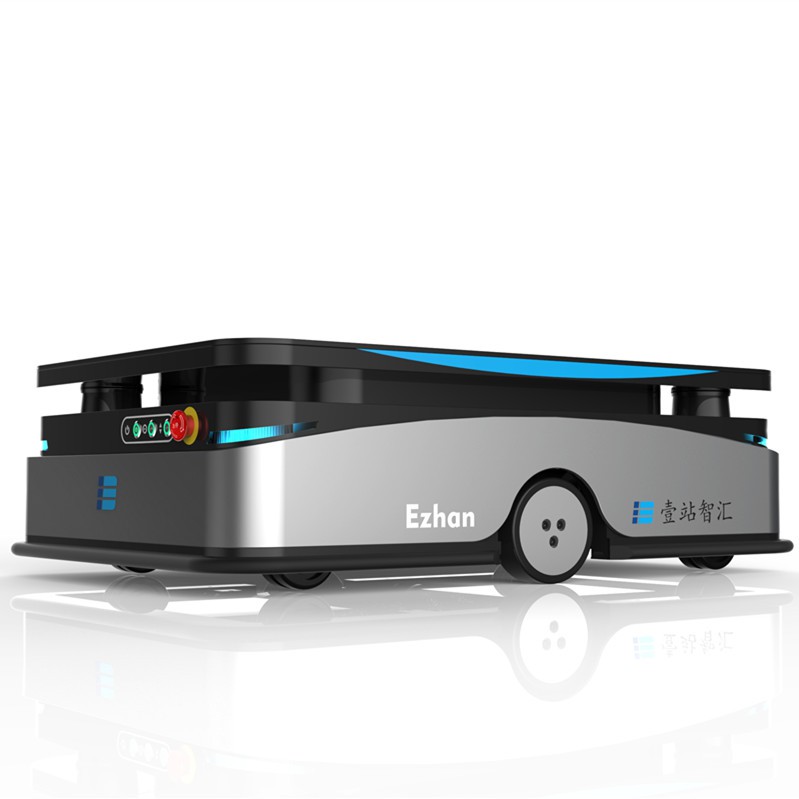
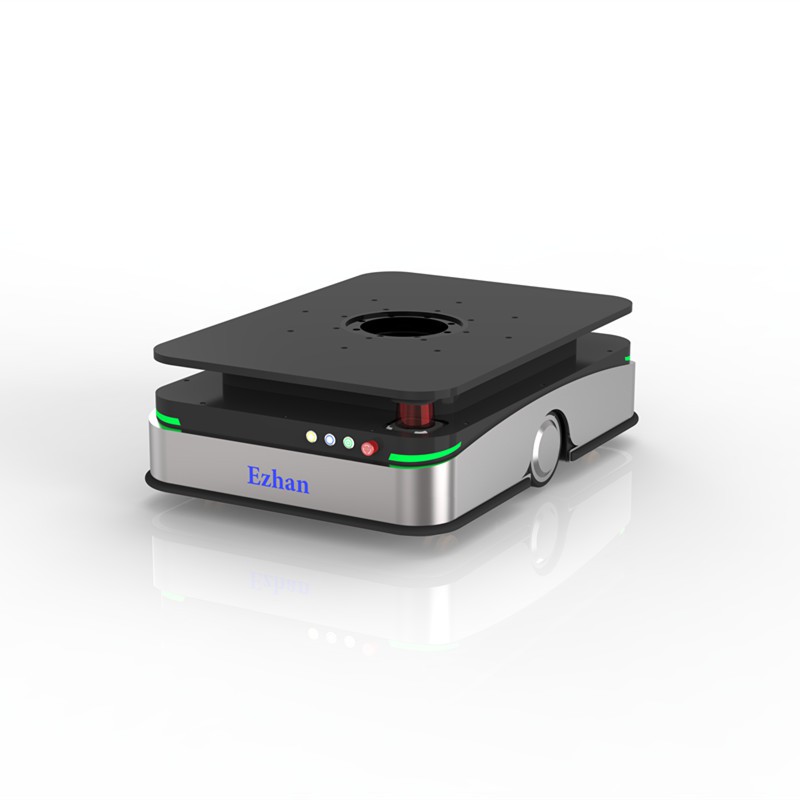
Some multi - scenario delivery robots have limited payload capacity, which may not be sufficient for large food orders. However, our 300KG Carrying Robot is designed to handle heavier loads, making it suitable for delivering larger quantities of food.
Overcoming the Challenges
To overcome the regulatory hurdles, we are actively engaging with local governments and regulatory bodies to develop appropriate guidelines and standards for the operation of multi - scenario delivery robots. We are also conducting extensive testing and safety evaluations to demonstrate the reliability and safety of our robots.
To address safety concerns, our robots are equipped with multiple sensors, including lidar, cameras, and ultrasonic sensors, to detect and avoid obstacles. We also have a remote monitoring system that allows us to intervene in case of any unexpected situations.
Regarding the payload capacity, we offer a range of robots with different payload capabilities to meet the diverse needs of our customers. Our engineers are constantly working on improving the design and functionality of our robots to increase their payload capacity without compromising on performance.
Conclusion
In conclusion, multi - scenario delivery robots have great potential for food delivery. They offer several advantages, such as cost - efficiency, 24/7 availability, accuracy, and reduced traffic congestion. While there are challenges to overcome, such as regulatory hurdles, safety concerns, and limited payload capacity, we are confident that these issues can be addressed through technological advancements and collaboration with regulatory authorities.
If you are interested in exploring the use of multi - scenario delivery robots for your food delivery business, we would be happy to discuss your specific requirements and provide you with a customized solution. Contact us to start a procurement discussion and take your food delivery service to the next level.
References
- "Autonomous Delivery Robots: A Review of Current Technologies and Future Trends" - Journal of Robotics and Automation
- "The Impact of Delivery Robots on the Food Delivery Industry" - International Journal of Logistics and Supply Chain Management