

In the evolving landscape of healthcare, the integration of healthcare service robots has emerged as a transformative force, particularly in the field of physiotherapy. As a leading supplier of healthcare service robots, we have witnessed firsthand the profound impact these innovative technologies can have on enhancing the efficiency, effectiveness, and overall quality of physiotherapy services. This blog post aims to explore how healthcare service robots assist in physiotherapy, highlighting their various applications and benefits.
1. Patient Assessment and Monitoring
One of the primary ways healthcare service robots assist in physiotherapy is through patient assessment and monitoring. These robots are equipped with advanced sensors and imaging technologies that can collect detailed data on a patient's physical condition, including range of motion, muscle strength, and joint mobility. By analyzing this data, physiotherapists can gain a comprehensive understanding of the patient's needs and develop personalized treatment plans.
For example, our Hospital Specimen Delivery AMR can be integrated with sensors to collect data on a patient's gait, balance, and movement patterns. This information can be used to identify areas of weakness or impairment and track the patient's progress over time. Additionally, the robot can provide real-time feedback to the patient, encouraging them to perform exercises correctly and maintain proper form.
2. Exercise Guidance and Support
Another key role of healthcare service robots in physiotherapy is to provide exercise guidance and support. These robots can be programmed to lead patients through a variety of exercises, ensuring that they are performed correctly and safely. They can also adjust the intensity and difficulty of the exercises based on the patient's progress and capabilities.
Our robots are designed to interact with patients in a friendly and engaging manner, using visual and auditory cues to guide them through the exercise routine. For instance, a robot can demonstrate the proper form for a particular exercise and provide verbal instructions on how to perform it. It can also monitor the patient's movements and provide feedback if they deviate from the correct form.
In addition to guiding patients through exercises, healthcare service robots can also provide support during the rehabilitation process. For example, they can assist patients with standing, walking, and other mobility tasks, reducing the risk of falls and injuries. This is particularly beneficial for patients who have limited mobility or are recovering from surgery.

3. Pain Management
Pain is a common symptom in many patients undergoing physiotherapy. Healthcare service robots can play a significant role in pain management by providing non-invasive and drug-free pain relief options. For example, some robots are equipped with massage and vibration therapy features that can help to reduce muscle tension and alleviate pain.
Our Contactless Delivery AMR can be used to deliver pain relief medications or other therapeutic agents to patients in a contactless manner, reducing the risk of infection. Additionally, the robot can be programmed to provide targeted heat or cold therapy to specific areas of the body, which can help to reduce inflammation and pain.
4. Data Analysis and Reporting
Healthcare service robots generate a wealth of data on patient performance and progress. This data can be analyzed to identify trends, patterns, and areas for improvement. By leveraging advanced analytics tools, physiotherapists can gain valuable insights into the effectiveness of their treatment plans and make informed decisions about future interventions.
Our robots are equipped with data management systems that can collect, store, and analyze patient data in real-time. This data can be accessed by physiotherapists and other healthcare providers through a secure online portal, allowing them to monitor patient progress and make adjustments to treatment plans as needed. Additionally, the robots can generate detailed reports on patient performance and progress, which can be shared with other members of the healthcare team.
5. Infection Control
Infection control is a critical issue in healthcare settings, particularly in physiotherapy clinics. Healthcare service robots can help to reduce the risk of infection by performing tasks such as disinfection and specimen delivery in a contactless manner.
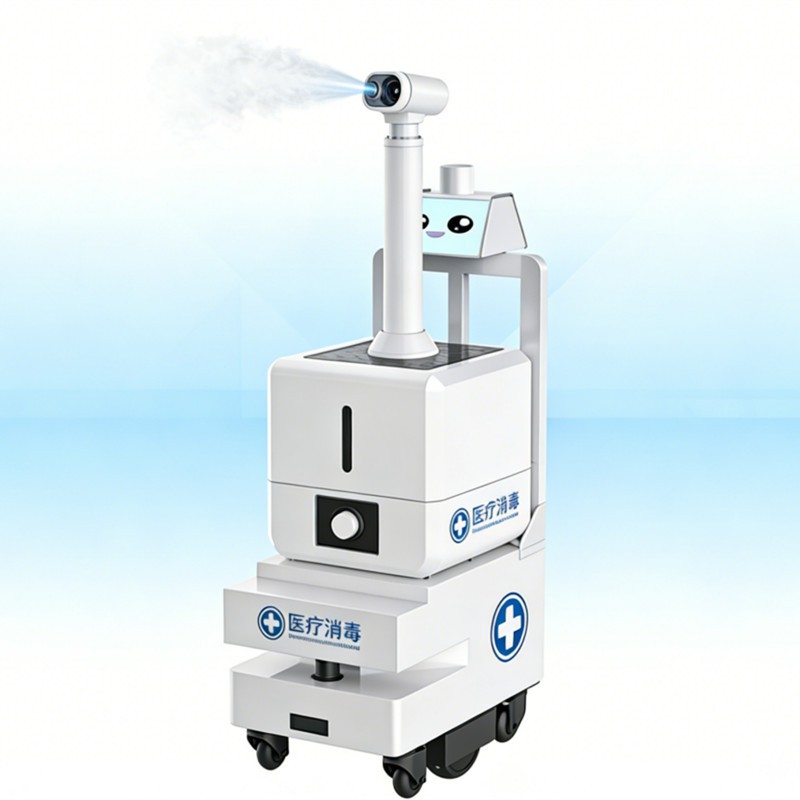
Our Atomizing Disinfection AMR is designed to autonomously disinfect patient rooms, treatment areas, and other surfaces using a fine mist of disinfectant. This helps to eliminate harmful bacteria and viruses, reducing the risk of infection transmission. Additionally, the robot can be programmed to perform disinfection tasks at regular intervals, ensuring that the environment remains clean and safe for patients and healthcare providers.
6. Cost-Effectiveness
The use of healthcare service robots in physiotherapy can also provide significant cost savings. By automating repetitive tasks and reducing the need for human intervention, robots can help to improve efficiency and productivity, resulting in lower costs for healthcare providers.
For example, our robots can perform tasks such as specimen delivery, disinfection, and exercise guidance, which would otherwise require the time and effort of human staff. This allows physiotherapists to focus on providing high-quality care to patients, while the robots handle the more routine tasks. Additionally, the use of robots can help to reduce the risk of errors and complications, which can lead to additional costs for healthcare providers.
7. Conclusion
In conclusion, healthcare service robots have the potential to revolutionize the field of physiotherapy. By providing patient assessment and monitoring, exercise guidance and support, pain management, data analysis and reporting, infection control, and cost-effectiveness, these robots can enhance the quality of care and improve patient outcomes.
As a supplier of healthcare service robots, we are committed to providing innovative solutions that meet the needs of healthcare providers and patients. Our robots are designed to be user-friendly, reliable, and effective, and we offer a range of services and support to ensure that our customers get the most out of their investment.
If you are interested in learning more about how our healthcare service robots can assist in physiotherapy, please contact us to schedule a demonstration or to discuss your specific needs. We look forward to working with you to improve the delivery of healthcare services and enhance the lives of patients.
References
- Robotics in Healthcare: Current Applications and Future Trends. Journal of Healthcare Robotics.
- The Role of Robots in Physiotherapy: A Systematic Review. Physical Therapy Journal.
- Impact of Healthcare Service Robots on Patient Outcomes and Cost-Effectiveness. Healthcare Economics Review.