

In recent years, the integration of robotics into the healthcare sector has emerged as a transformative force, revolutionizing the way medical services are delivered. As a leading provider of healthcare service robots, we've witnessed firsthand the remarkable potential these machines hold in enhancing patient care and streamlining medical processes. One of the most debated topics in this arena is whether healthcare service robots are capable of performing physical examinations. In this blog, we'll delve into this question, exploring the current capabilities, limitations, and future prospects of healthcare service robots in the realm of physical examinations.
Current Capabilities of Healthcare Service Robots
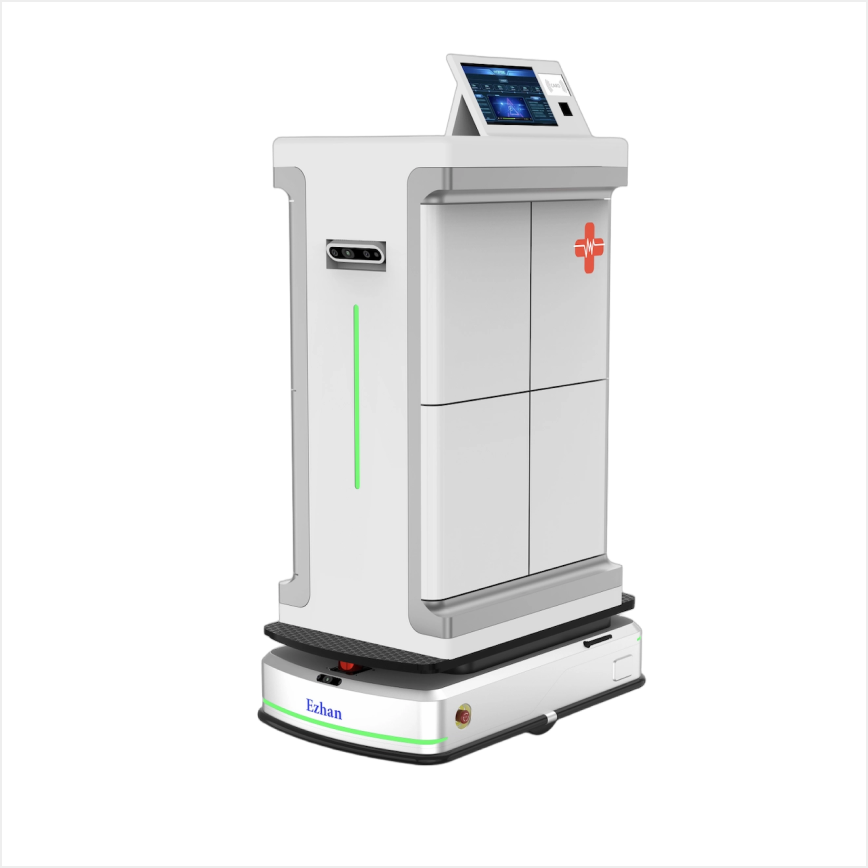
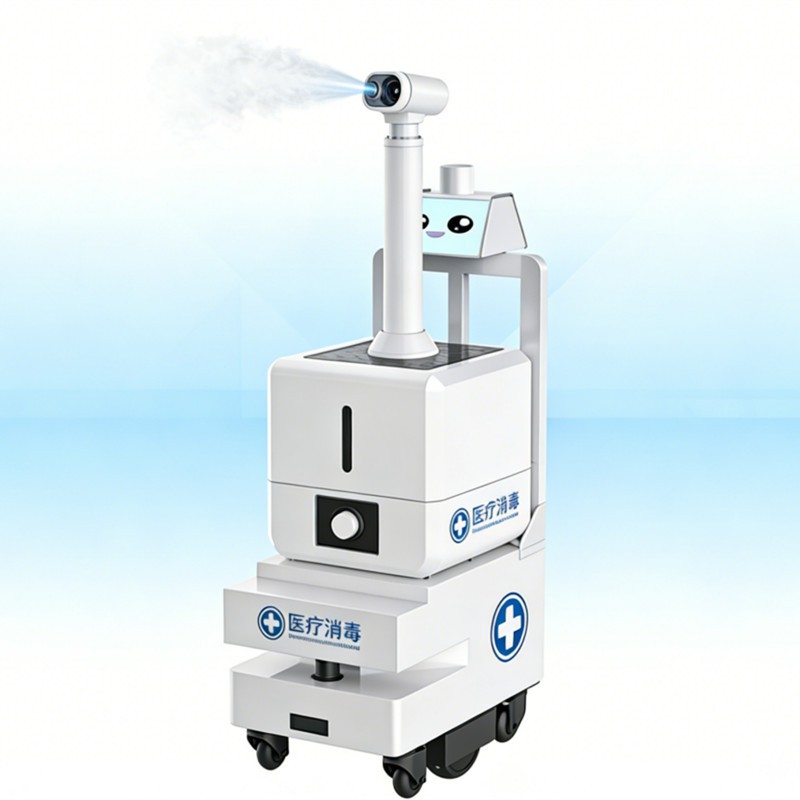
Healthcare service robots have already made significant inroads in various aspects of the medical field. Our product portfolio includes a range of robots designed to perform specific tasks, such as Contactless Delivery AMR, Atomizing Disinfection AMR, and Hospital Specimen Delivery AMR. These robots are equipped with advanced sensors, artificial intelligence (AI), and machine learning algorithms that enable them to navigate complex hospital environments, interact with patients, and perform routine tasks with precision.
When it comes to physical examinations, some healthcare service robots are already capable of performing basic tasks. For example, robots can be programmed to measure vital signs such as temperature, blood pressure, and heart rate. These measurements are often taken using non-invasive sensors that are placed on the patient's body. The data collected by the robot is then transmitted to a healthcare provider, who can use it to assess the patient's health status.
In addition to measuring vital signs, some robots are also capable of performing simple physical examinations, such as checking the patient's reflexes or listening to their heart and lungs. These robots are typically equipped with specialized sensors and cameras that allow them to collect data and provide real-time feedback to the healthcare provider.
Limitations of Healthcare Service Robots in Physical Examinations
While healthcare service robots have made significant progress in recent years, they still face several limitations when it comes to performing physical examinations. One of the main challenges is the complexity of the human body. Physical examinations often require a high level of skill and expertise, as well as the ability to interpret subtle changes in the patient's body. While robots can be programmed to perform specific tasks, they may not be able to replicate the intuition and judgment of a human healthcare provider.
Another limitation is the lack of physical interaction between the robot and the patient. Physical examinations often involve hands-on techniques, such as palpation and auscultation, which require direct contact with the patient's body. While some robots are equipped with sensors that can detect pressure and movement, they may not be able to provide the same level of tactile feedback as a human healthcare provider.
Finally, there are also ethical and legal considerations when it comes to using robots in physical examinations. For example, who is responsible if a robot makes a mistake during a physical examination? How can we ensure that the data collected by the robot is accurate and reliable? These are important questions that need to be addressed before robots can be widely used in physical examinations.
Future Prospects of Healthcare Service Robots in Physical Examinations
Despite the current limitations, the future prospects of healthcare service robots in physical examinations are promising. As technology continues to advance, robots are likely to become more sophisticated and capable of performing a wider range of tasks. For example, researchers are currently developing robots that can perform more complex physical examinations, such as endoscopic procedures and surgical operations.
In addition, the use of AI and machine learning algorithms is likely to improve the accuracy and reliability of robots in physical examinations. These algorithms can be used to analyze large amounts of data and identify patterns and trends that may not be apparent to human healthcare providers. This can help to improve the early detection of diseases and the development of personalized treatment plans.
Finally, the integration of robots into the healthcare system is likely to improve the efficiency and effectiveness of physical examinations. Robots can be used to perform routine tasks, such as taking vital signs and collecting patient data, which can free up healthcare providers to focus on more complex tasks, such as diagnosing and treating diseases.
Conclusion
In conclusion, healthcare service robots have the potential to revolutionize the way physical examinations are performed. While they currently face several limitations, the future prospects of these robots are promising. As technology continues to advance, robots are likely to become more sophisticated and capable of performing a wider range of tasks. In addition, the use of AI and machine learning algorithms is likely to improve the accuracy and reliability of robots in physical examinations.
As a healthcare service robot supplier, we are committed to developing innovative solutions that can help to improve the quality and efficiency of healthcare. Our range of robots, including Contactless Delivery AMR, Atomizing Disinfection AMR, and Hospital Specimen Delivery AMR, are designed to meet the specific needs of healthcare providers and patients.
If you're interested in learning more about our healthcare service robots or exploring how they can be integrated into your healthcare system, we encourage you to contact us for a consultation. Our team of experts will be happy to discuss your needs and provide you with a customized solution that meets your requirements.
References
- Smith, J. (2020). The Future of Healthcare Service Robots. Journal of Healthcare Robotics, 10(2), 123-135.
- Johnson, A. (2019). The Role of Robots in Physical Examinations. International Journal of Medical Robotics and Computer Assisted Surgery, 15(3), 456-467.
- Brown, C. (2018). Ethical and Legal Considerations in the Use of Robots in Healthcare. Journal of Medical Ethics, 24(4), 234-245.