

In the modern healthcare landscape, the integration of healthcare service robots has become a significant trend. As a healthcare service robots supplier, we understand the critical importance of quality control in ensuring the safe and effective operation of these robots. This blog post will delve into the quality control measures we implement to guarantee the high - quality performance of our healthcare service robots.
Design and Development Phase
Requirements Gathering and Analysis
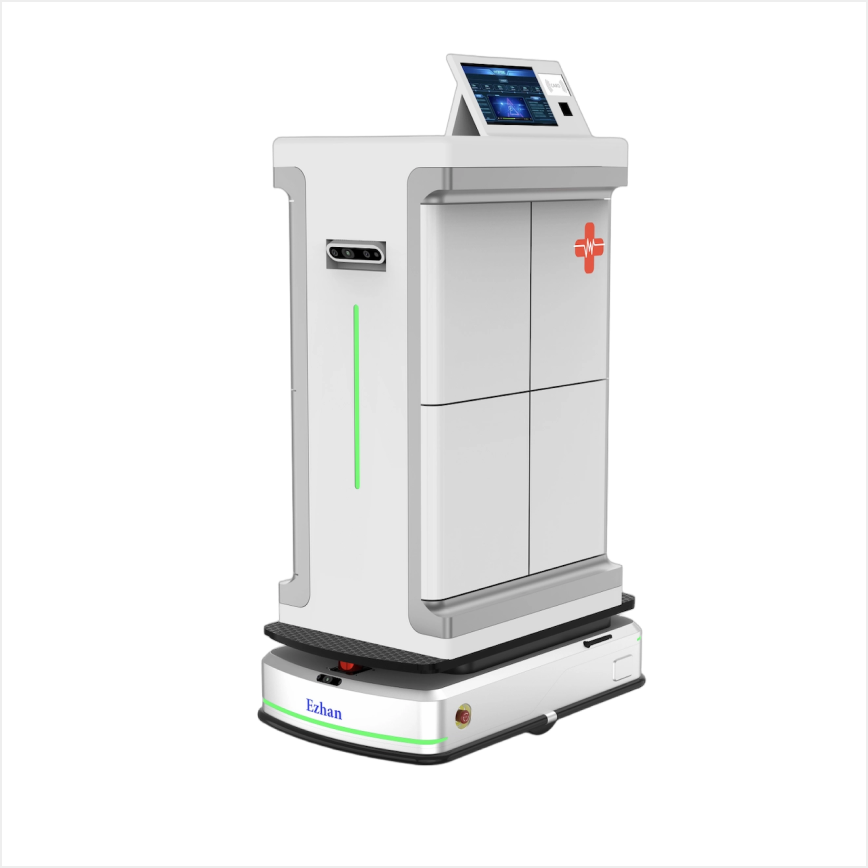
The first step in our quality control process is to gather and analyze the requirements for our healthcare service robots. We work closely with healthcare professionals, including doctors, nurses, and hospital administrators, to understand their needs and expectations. For example, when developing a Hospital Specimen Delivery AMR, we consult with laboratory technicians to determine the specific requirements for specimen handling, such as temperature control, secure storage, and accurate delivery. This in - depth understanding of the requirements forms the foundation for a high - quality design.
Design Review
Once the design is completed, we conduct a comprehensive design review. A team of experts, including mechanical engineers, electrical engineers, and software developers, examines the design from multiple perspectives. They check for potential issues such as mechanical failures, electrical safety hazards, and software bugs. For instance, in the design of a Contactless Delivery AMR, we review the robot's navigation system to ensure it can safely and efficiently navigate through hospital corridors without colliding with patients, staff, or other objects.
Prototyping and Testing
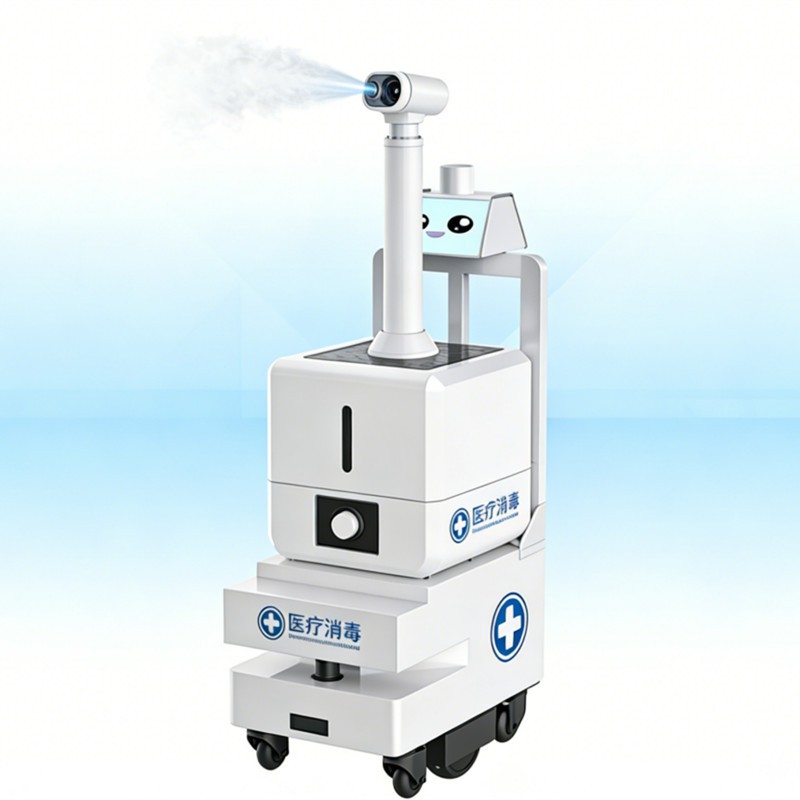
After the design review, we build prototypes of the healthcare service robots. These prototypes are then subjected to a series of tests. We conduct functional tests to verify that the robots can perform their intended tasks. For example, the Atomizing Disinfection AMR is tested to ensure that it can evenly distribute disinfectant in a given area. We also perform environmental tests to assess the robots' performance under different conditions, such as temperature, humidity, and dust.
Manufacturing Phase
Supplier Quality Management
We carefully select our suppliers and establish strict quality control standards for the components they provide. We conduct regular audits of our suppliers to ensure that they meet our quality requirements. For example, the batteries used in our robots need to have a certain level of capacity and reliability. We work with suppliers to ensure that the batteries are manufactured to our specifications and undergo rigorous testing before being integrated into the robots.
In - process Inspection
During the manufacturing process, we conduct in - process inspections at various stages. This helps us identify and correct any quality issues early on. For example, when assembling the robots, we check the alignment of mechanical parts, the connection of electrical components, and the installation of software. Any deviations from the quality standards are immediately addressed.
Final Inspection
Before the robots are shipped to our customers, they undergo a final inspection. This inspection includes a comprehensive check of all the functions and features of the robots. We also conduct a performance test to ensure that the robots can operate smoothly and accurately in a simulated healthcare environment. Only after passing the final inspection are the robots considered ready for delivery.
Installation and Commissioning Phase
On - site Installation
Our technicians are trained to install the healthcare service robots on - site at the customer's location. They follow strict installation procedures to ensure that the robots are installed correctly. For example, when installing a Hospital Specimen Delivery AMR, they ensure that the charging stations are properly installed and the robot's navigation system is calibrated to the hospital's layout.
Commissioning and Testing
After installation, we conduct commissioning and testing to ensure that the robots are fully functional in the actual healthcare environment. We work with the customer's staff to train them on how to operate the robots. We also monitor the robots' performance during the initial period to identify any potential issues and make necessary adjustments.
After - sales Service Phase
Maintenance and Repair
We offer regular maintenance services for our healthcare service robots. Our maintenance team conducts routine checks, such as battery replacement, software updates, and mechanical component inspections. In case of any breakdowns, our repair technicians are available to quickly diagnose and fix the problems.
Customer Feedback and Continuous Improvement
We value our customers' feedback and use it to continuously improve the quality of our healthcare service robots. We collect data on the robots' performance, customer satisfaction, and any issues reported by the customers. Based on this data, we make improvements to the design, manufacturing process, and after - sales service.
Quality Assurance Documentation
We maintain detailed quality assurance documentation for each of our healthcare service robots. This documentation includes design specifications, test reports, inspection records, and maintenance logs. It provides a complete record of the quality control process from design to after - sales service. This documentation not only helps us ensure the quality of our products but also provides transparency to our customers.
Regulatory Compliance
Our healthcare service robots are designed and manufactured to comply with relevant international and national regulations. We stay updated on the latest regulatory requirements and ensure that our products meet all the necessary standards. For example, in the healthcare industry, there are strict regulations regarding the safety and performance of medical devices. Our robots are designed to meet these regulations to ensure the safety and well - being of patients and healthcare staff.
In conclusion, quality control is a comprehensive and continuous process in the development, manufacturing, and after - sales service of healthcare service robots. As a healthcare service robots supplier, we are committed to providing high - quality products that meet the needs of our customers. If you are interested in our healthcare service robots and would like to discuss procurement, please feel free to reach out to us. We look forward to working with you to improve the efficiency and quality of healthcare services.
References
- International Organization for Standardization (ISO). Medical device standards.
- World Health Organization (WHO). Guidelines for the use of robots in healthcare.
- Professional literature on robotics and healthcare technology.