

In recent years, the healthcare industry has witnessed a significant transformation with the integration of advanced technologies, and healthcare service robots are at the forefront of this revolution. As a leading supplier of healthcare service robots, I've had the privilege of witnessing firsthand how these innovative machines are improving the quality of life for patients. In this blog post, I'll explore the various ways in which healthcare service robots are making a positive impact on patient care.
Enhancing Hygiene and Infection Control
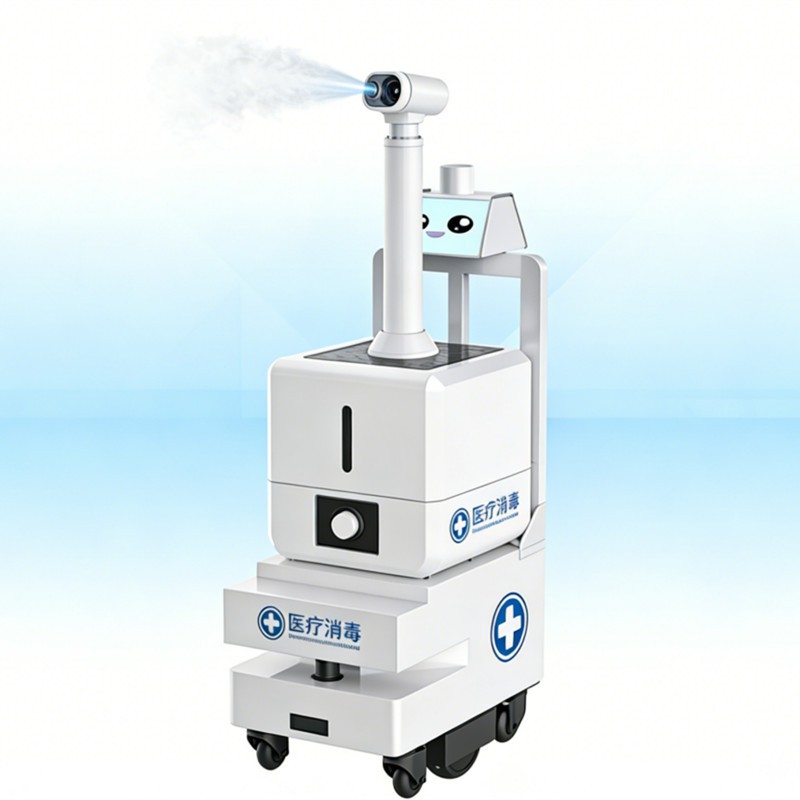
One of the most critical aspects of healthcare is maintaining a clean and hygienic environment to prevent the spread of infections. Healthcare service robots play a vital role in this area, particularly through their ability to perform tasks such as disinfection. Our Atomizing Disinfection AMR is a prime example of how technology can be leveraged to ensure a safe and clean healthcare environment.
This autonomous mobile robot (AMR) is equipped with advanced atomizing technology that can effectively disinfect large areas in a short period. It can navigate through hospital corridors, patient rooms, and other healthcare facilities, spraying a fine mist of disinfectant to eliminate harmful bacteria and viruses. By automating the disinfection process, the Atomizing Disinfection AMR reduces the risk of human error and ensures that all areas are thoroughly cleaned, ultimately improving the overall hygiene of the healthcare facility and reducing the spread of infections among patients.
Streamlining Specimen Delivery
Another area where healthcare service robots are making a significant impact is in specimen delivery. In a busy hospital setting, the timely and accurate delivery of specimens is crucial for diagnosis and treatment. Our Hospital Specimen Delivery AMR is designed to streamline this process, ensuring that specimens are delivered quickly and safely to the laboratory.
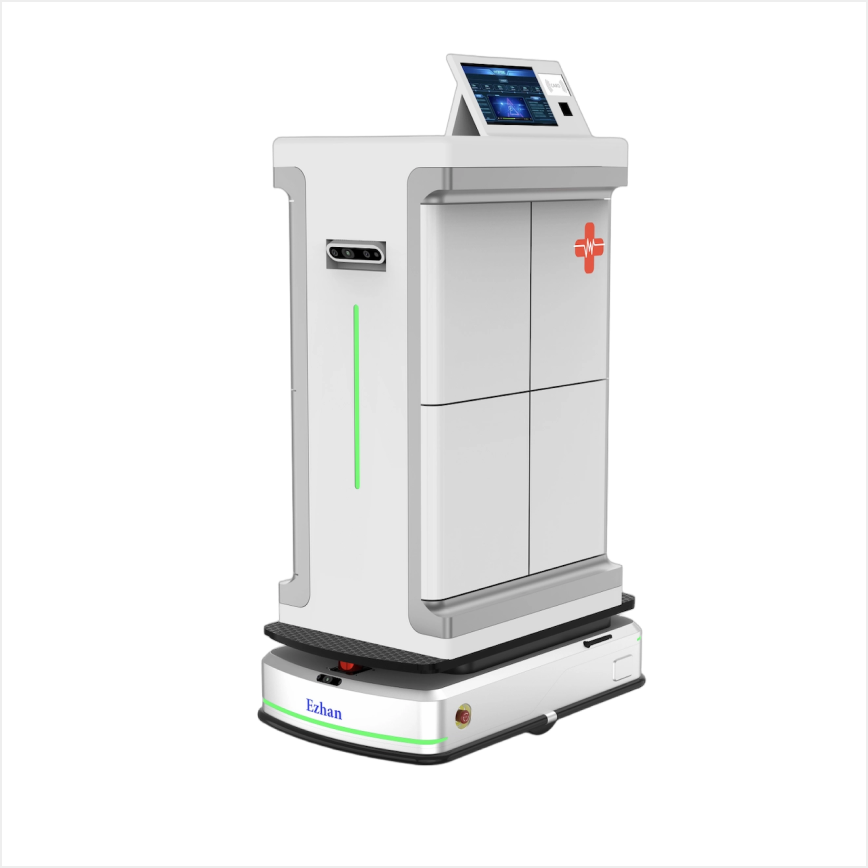
The robot is equipped with a secure storage compartment to hold specimens and uses advanced navigation technology to move through the hospital without human intervention. It can follow pre-programmed routes, avoid obstacles, and communicate with other systems to ensure that specimens are delivered to the right location at the right time. By automating the specimen delivery process, the Hospital Specimen Delivery AMR reduces the time and effort required by healthcare staff, allowing them to focus on providing direct patient care.
Enabling Contactless Delivery
In the era of the COVID-19 pandemic, contactless delivery has become a necessity to minimize the risk of virus transmission. Our Contactless Delivery AMR is designed to meet this need by providing a safe and efficient way to deliver supplies, medications, and other items to patients without direct contact.
The robot can be programmed to deliver items to specific locations within the hospital, such as patient rooms or nursing stations. It uses a combination of sensors and cameras to navigate through the facility and can communicate with patients or healthcare staff to indicate when a delivery has been made. By enabling contactless delivery, the Contactless Delivery AMR helps to reduce the risk of infection and provides a more convenient and efficient way to deliver essential items to patients.
Improving Patient Monitoring and Care
Healthcare service robots can also play a role in patient monitoring and care. Some robots are equipped with sensors that can collect data on a patient's vital signs, such as heart rate, blood pressure, and oxygen levels. This data can be transmitted to healthcare providers in real-time, allowing them to monitor the patient's condition more closely and make informed decisions about their care.
In addition, some robots are designed to provide companionship and support to patients. For example, a robot may be programmed to engage in conversation with a patient, play games, or provide educational information. This can help to reduce feelings of loneliness and isolation among patients, particularly those who are hospitalized for an extended period.
Reducing Healthcare Staff Workload
The integration of healthcare service robots can also help to reduce the workload of healthcare staff. By automating tasks such as disinfection, specimen delivery, and contactless delivery, robots can free up healthcare staff to focus on more critical tasks, such as patient care and treatment. This can lead to improved job satisfaction among healthcare staff and ultimately result in better patient outcomes.
Challenges and Future Directions
While healthcare service robots offer many benefits, there are also some challenges that need to be addressed. One of the main challenges is the cost of implementing these technologies. Healthcare service robots can be expensive to purchase and maintain, and some healthcare facilities may not have the resources to invest in them.
Another challenge is the acceptance of these technologies by healthcare staff and patients. Some healthcare staff may be resistant to using robots, fearing that they will replace their jobs. Similarly, some patients may be uncomfortable with the idea of interacting with robots. To address these concerns, it is important to provide training and education to healthcare staff and patients about the benefits of healthcare service robots and to involve them in the implementation process.
Looking to the future, the potential for healthcare service robots is vast. As technology continues to advance, we can expect to see more sophisticated robots that are capable of performing a wider range of tasks. For example, robots may be developed that can assist with surgical procedures, provide physical therapy, or even perform diagnostic tests.
Conclusion
In conclusion, healthcare service robots are revolutionizing the healthcare industry by improving the quality of life for patients in many ways. From enhancing hygiene and infection control to streamlining specimen delivery and enabling contactless delivery, these robots are making a significant impact on patient care. As a supplier of healthcare service robots, I am excited to be part of this revolution and look forward to seeing how these technologies will continue to evolve and improve in the future.
If you are interested in learning more about our healthcare service robots or would like to discuss a potential purchase, please feel free to contact us. We would be happy to provide you with more information and answer any questions you may have.
References
- "The Role of Robots in Healthcare: A Review." Journal of Healthcare Engineering.
- "Automation in Healthcare: Benefits and Challenges." International Journal of Medical Informatics.
- "Contactless Delivery Systems in Healthcare: A New Paradigm." Healthcare Technology Letters.