

Hey there! As a supplier of omnidirectional robots, I often get asked about the maintenance intervals of these nifty machines. So, I thought I'd share some insights on this topic.
Omnidirectional robots are amazing pieces of technology. They can move in all directions, which makes them super versatile for various applications. But like any other piece of equipment, they need proper maintenance to keep them running smoothly.
Why Maintenance Matters
First off, let's talk about why maintenance is so important. Regular maintenance helps prevent breakdowns and extends the lifespan of your omnidirectional robot. It also ensures that the robot operates at its best, providing reliable performance day in and day out.
Think of it like taking care of your car. You wouldn't just drive it without ever changing the oil or checking the brakes, right? The same goes for your omnidirectional robot. By keeping up with maintenance, you can avoid costly repairs and downtime.

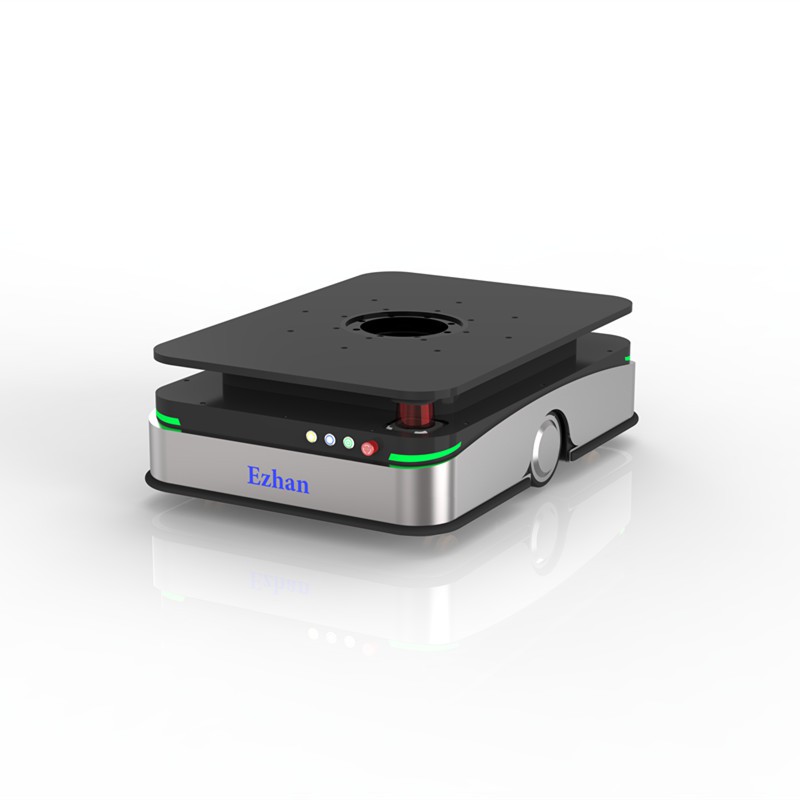
Factors Affecting Maintenance Intervals
The maintenance intervals of an omnidirectional robot can vary depending on several factors. Here are some of the key things to consider:
Usage Frequency
How often you use the robot plays a big role in determining how often it needs maintenance. If the robot is in constant use, it will likely require more frequent maintenance compared to a robot that is used less often. For example, a robot that operates 24/7 in a busy warehouse will need more attention than one that is used only a few hours a week in a small workshop.
Operating Environment
The environment in which the robot operates also affects its maintenance needs. If the robot is working in a dirty or dusty environment, it may need more frequent cleaning and inspection to prevent debris from causing damage. On the other hand, a robot operating in a clean and controlled environment may require less maintenance.
Type of Tasks
The type of tasks the robot is performing can also impact its maintenance intervals. For instance, if the robot is carrying heavy loads or performing repetitive tasks, it may experience more wear and tear, requiring more frequent maintenance.
Recommended Maintenance Intervals
Based on these factors, here are some general guidelines for maintenance intervals:
Daily Maintenance
- Visual Inspection: Check the robot for any visible signs of damage, such as loose parts, cracks, or leaks.
- Cleaning: Wipe down the robot to remove any dirt or debris. Pay special attention to the wheels, sensors, and other critical components.
- Battery Check: If the robot is battery-powered, check the battery level and ensure it is properly charged.
Weekly Maintenance
- Lubrication: Lubricate the moving parts of the robot, such as the joints and bearings, to reduce friction and wear.
- Sensor Calibration: Calibrate the sensors to ensure accurate operation. This may involve checking the alignment and sensitivity of the sensors.
- Software Update: Check for any software updates and install them if available. Software updates can improve the performance and functionality of the robot.
Monthly Maintenance
- Component Inspection: Inspect the major components of the robot, such as the motors, controllers, and power supply, for any signs of wear or damage.
- Tightening of Fasteners: Check and tighten any loose fasteners to prevent them from coming loose during operation.
- Performance Testing: Conduct a performance test to ensure the robot is operating within its specifications.
Quarterly Maintenance
- Deep Cleaning: Perform a more thorough cleaning of the robot, including the internal components. This may involve removing the covers and cleaning the sensors, motors, and other parts.
- System Check: Check the overall system of the robot, including the communication network, to ensure it is functioning properly.
- Safety Check: Review the safety features of the robot, such as the emergency stop button and collision avoidance system, to ensure they are working correctly.
Our Omnidirectional Robot Solutions
At our company, we offer a range of omnidirectional robots designed for various applications. Whether you need a Material Handling Solutions AMR for your warehouse, a 1000KG Carrying Robot for heavy-duty tasks, or a SMT Material Delivery AMR for your electronics manufacturing facility, we've got you covered.
Our robots are built to last and are designed with ease of maintenance in mind. We provide comprehensive maintenance guidelines and support to help you keep your robots in top condition.
Contact Us for Purchase and Maintenance
If you're interested in purchasing an omnidirectional robot or need more information about maintenance, don't hesitate to get in touch. Our team of experts is here to answer your questions and help you find the right solution for your needs.
Remember, proper maintenance is key to getting the most out of your omnidirectional robot. By following the recommended maintenance intervals and taking good care of your robot, you can ensure it provides reliable performance for years to come.
References
- General knowledge about robotics maintenance.
- Manufacturer's guidelines for omnidirectional robots.