

In the dynamic landscape of modern warehousing, the integration of advanced technologies has become a game-changer. Autonomous Mobile Robots (AMRs) have emerged as a revolutionary force, transforming the way warehouses operate. As a Warehouse AMR supplier, I am often asked whether these robots can be effectively used for put-away operations. In this blog post, I will delve into the capabilities of Warehouse AMRs and explore their potential for enhancing put-away processes.
Understanding Put-Away Operations
Put-away operations are a critical component of warehouse management. They involve the movement of incoming goods from the receiving area to their designated storage locations. This process is not only time-consuming but also requires precision and efficiency to ensure that inventory is stored in an organized manner. Traditional put-away methods often rely on manual labor, which can be prone to errors, inefficiencies, and safety risks.
The Role of Warehouse AMRs in Put-Away Operations
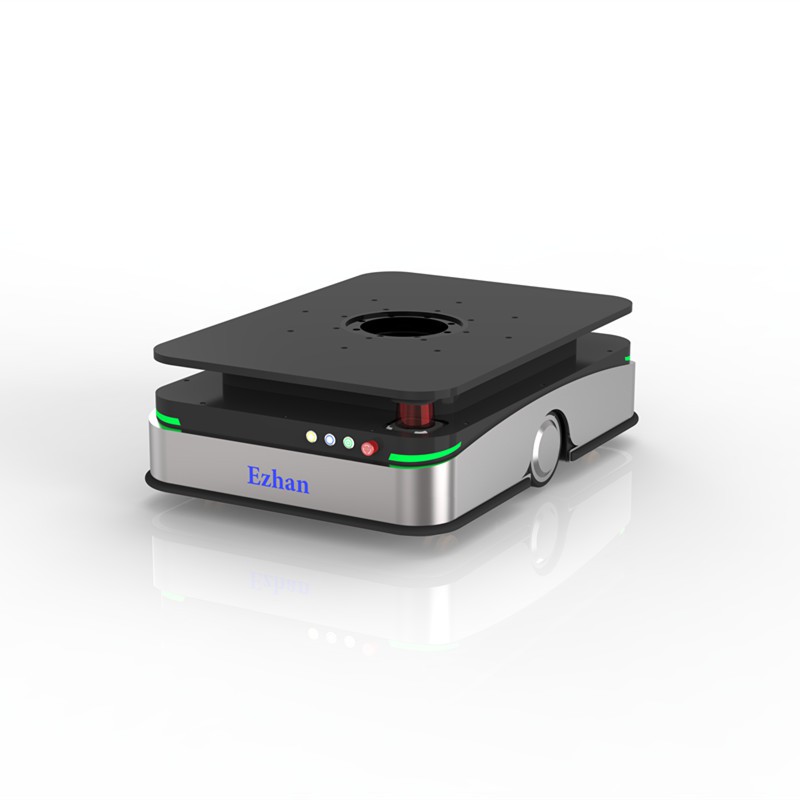
Warehouse AMRs are designed to automate various tasks within the warehouse, including put-away operations. These robots are equipped with advanced sensors, navigation systems, and software that enable them to move autonomously around the warehouse, avoiding obstacles and navigating through narrow aisles. They can be programmed to pick up items from the receiving area and transport them to the appropriate storage locations, reducing the need for manual labor and improving overall efficiency.
One of the key advantages of using Warehouse AMRs for put-away operations is their ability to work continuously without breaks. Unlike human workers, robots do not get tired or distracted, which means they can maintain a consistent level of productivity throughout the day. This can significantly reduce the time required to complete put-away tasks, allowing warehouses to process more orders and increase their throughput.
Another benefit of using Warehouse AMRs is their precision and accuracy. These robots are programmed to follow specific routes and instructions, ensuring that items are placed in the correct storage locations every time. This reduces the risk of errors and misplacements, which can lead to inventory discrepancies and lost sales. Additionally, AMRs can be equipped with barcode scanners and other sensors to verify the accuracy of the items being put away, further enhancing the reliability of the process.
Types of Warehouse AMRs for Put-Away Operations
There are several types of Warehouse AMRs that can be used for put-away operations, each with its own unique features and capabilities. Some of the most common types include:
- SMT Material Delivery AMR: This type of AMR is specifically designed for the delivery of Surface Mount Technology (SMT) materials in the electronics manufacturing industry. It is capable of transporting small, delicate components with high precision and accuracy. SMT Material Delivery AMR
- Food Material Conveying AMR: These AMRs are designed for the transportation of food materials in the food and beverage industry. They are equipped with specialized sensors and handling mechanisms to ensure the safe and hygienic handling of food products. Food Material Conveying AMR
- 300KG Carrying Robot: This type of AMR is capable of carrying heavy loads of up to 300 kilograms. It is ideal for the transportation of large and bulky items in the warehouse. 300KG Carrying Robot
Implementing Warehouse AMRs for Put-Away Operations
Implementing Warehouse AMRs for put-away operations requires careful planning and consideration. Here are some key steps to follow:

- Assess Your Warehouse Needs: Before implementing Warehouse AMRs, it is important to assess your warehouse needs and determine the specific tasks that the robots will be required to perform. This will help you choose the right type of AMR for your operations and ensure that it is capable of meeting your requirements.
- Choose the Right AMR Supplier: Selecting the right AMR supplier is crucial for the success of your implementation. Look for a supplier with a proven track record in the industry and a reputation for providing high-quality products and services.
- Design Your Warehouse Layout: The layout of your warehouse plays a crucial role in the efficiency of your put-away operations. Consider the placement of storage racks, aisles, and other equipment to ensure that the AMRs can move freely and efficiently around the warehouse.
- Train Your Staff: Training your staff on how to operate and maintain the Warehouse AMRs is essential for the success of your implementation. Provide comprehensive training to your employees to ensure that they are familiar with the operation of the robots and can troubleshoot any issues that may arise.
- Monitor and Evaluate Performance: Once the Warehouse AMRs are implemented, it is important to monitor and evaluate their performance regularly. This will help you identify any issues or areas for improvement and make necessary adjustments to optimize the efficiency of your put-away operations.
Conclusion
In conclusion, Warehouse AMRs have the potential to revolutionize put-away operations in modern warehouses. These robots offer a range of benefits, including increased efficiency, precision, and productivity. By choosing the right type of AMR and implementing it effectively, warehouses can streamline their put-away processes, reduce costs, and improve customer satisfaction.
If you are interested in learning more about how Warehouse AMRs can be used for put-away operations or would like to discuss your specific requirements, please do not hesitate to contact us. Our team of experts is available to provide you with more information and help you find the right solution for your business.