

As a provider of Hospital Specimen Delivery AMR, I've witnessed firsthand how cultural factors can significantly influence the adoption and implementation of this technology in healthcare settings. Antimicrobial resistance (AMR) is a global health threat, and the timely and accurate delivery of specimens plays a crucial role in combating it. In this blog, I'll explore the cultural factors that may impact hospital specimen delivery for AMR and how we can address them to improve healthcare outcomes.
Cultural Attitudes Towards Technology
One of the primary cultural factors that can influence hospital specimen delivery for AMR is the attitude towards technology. In some cultures, there may be a high level of trust in technology and a willingness to adopt new solutions. These cultures are more likely to embrace Hospital Specimen Delivery AMR as a way to improve efficiency and accuracy in specimen delivery. For example, in countries with a strong emphasis on innovation and technology, such as Japan and South Korea, the adoption of AMR robots for hospital specimen delivery may be more readily accepted.
On the other hand, in cultures where there is a more traditional or conservative approach to healthcare, there may be resistance to the use of technology. Some healthcare professionals and patients may be skeptical of the reliability and safety of AMR robots, preferring to rely on human delivery services. In these cultures, it may be necessary to provide more education and training to demonstrate the benefits of Hospital Specimen Delivery AMR and address any concerns.
Communication and Language Barriers
Effective communication is essential for the successful implementation of Hospital Specimen Delivery AMR. However, cultural differences in communication styles and language barriers can pose challenges. In some cultures, direct and assertive communication is valued, while in others, a more indirect and polite approach is preferred. These differences can lead to misunderstandings and misinterpretations, especially when it comes to providing instructions and feedback regarding specimen delivery.
Language barriers can also be a significant obstacle. In multicultural healthcare settings, healthcare professionals and patients may speak different languages, making it difficult to communicate effectively. This can impact the accuracy and efficiency of specimen delivery, as well as the overall patient experience. To overcome these challenges, it may be necessary to provide multilingual support, including translation services and bilingual staff.
Workforce Culture and Training
The culture of the healthcare workforce can also influence the adoption of Hospital Specimen Delivery AMR. In some healthcare organizations, there may be a strong culture of teamwork and collaboration, which can facilitate the integration of AMR robots into the workflow. In these organizations, healthcare professionals are more likely to be open to new technologies and willing to work with AMR robots to improve patient care.
However, in other organizations, there may be a more hierarchical or siloed culture, where there is less collaboration and communication between different departments. This can make it more difficult to implement Hospital Specimen Delivery AMR, as there may be resistance to change and a lack of understanding of the benefits of the technology. To address this, it is important to provide training and education to healthcare professionals to help them understand how AMR robots can enhance their work and improve patient outcomes.
Patient Expectations and Preferences
Patient expectations and preferences can also play a role in the adoption of Hospital Specimen Delivery AMR. In some cultures, patients may have a strong preference for human interaction and may be uncomfortable with the idea of using AMR robots for specimen delivery. They may prefer to have a healthcare professional collect and deliver their specimens, as they feel more reassured by the personal touch.
On the other hand, in other cultures, patients may be more accepting of technology and may see the use of AMR robots as a convenient and efficient way to receive healthcare services. To meet the diverse needs and preferences of patients, it is important to provide options for both human and robot-assisted specimen delivery. This can help to ensure that patients feel comfortable and confident in the healthcare services they receive.
Regulatory and Ethical Considerations
Cultural factors can also influence the regulatory and ethical considerations surrounding the use of Hospital Specimen Delivery AMR. In some countries, there may be strict regulations and guidelines regarding the use of AMR robots in healthcare settings, while in others, the regulatory environment may be more flexible. These differences can impact the adoption and implementation of Hospital Specimen Delivery AMR, as healthcare providers need to ensure that they are compliant with local regulations.
Ethical considerations are also important when it comes to the use of AMR robots in healthcare. For example, there may be concerns about patient privacy and data security, as well as the potential impact on the healthcare workforce. To address these concerns, it is important to develop ethical guidelines and best practices for the use of AMR robots in healthcare, and to ensure that they are implemented in a way that respects the rights and dignity of patients and healthcare professionals.
Addressing Cultural Factors in Hospital Specimen Delivery for AMR
To overcome the cultural factors that may influence hospital specimen delivery for AMR, it is important to take a holistic approach. This includes:
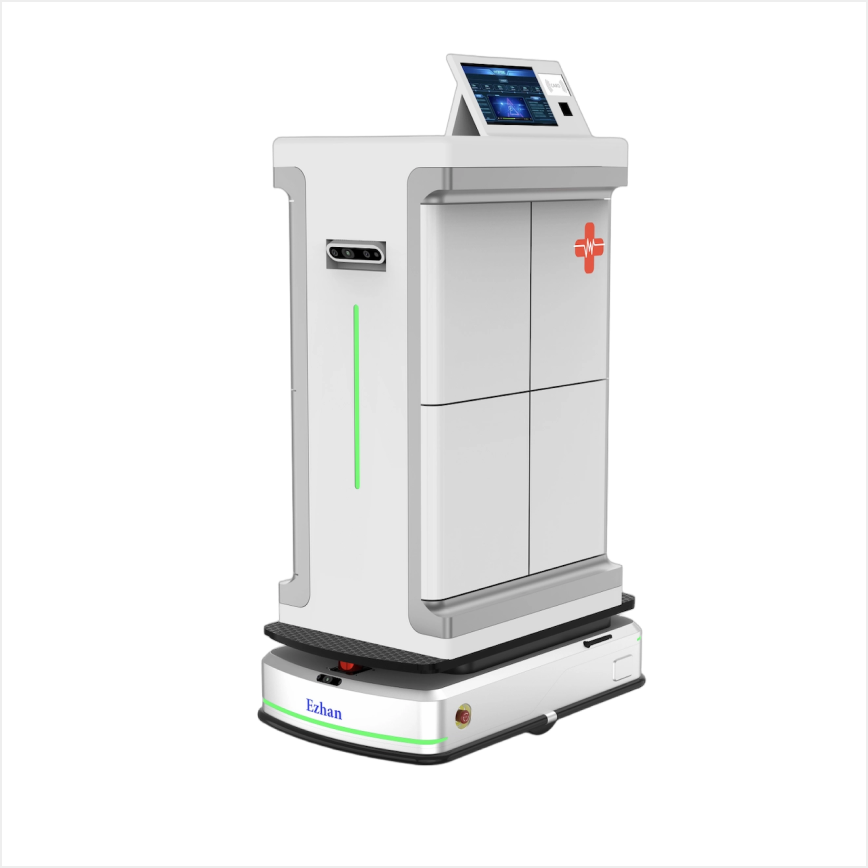

- Education and Training: Provide education and training to healthcare professionals, patients, and other stakeholders to help them understand the benefits of Hospital Specimen Delivery AMR and address any concerns. This can include training on how to use the technology, as well as education on the importance of specimen delivery in combating AMR.
- Cultural Sensitivity: Be aware of cultural differences and adapt the implementation of Hospital Specimen Delivery AMR to meet the needs and preferences of different cultures. This may include providing multilingual support, respecting cultural norms and values, and involving patients and their families in the decision-making process.
- Collaboration and Communication: Foster collaboration and communication between different departments and stakeholders, including healthcare professionals, patients, and technology providers. This can help to ensure that the implementation of Hospital Specimen Delivery AMR is seamless and effective.
- Regulatory Compliance: Ensure that the use of Hospital Specimen Delivery AMR is compliant with local regulations and guidelines. This may involve working with regulatory authorities to obtain the necessary approvals and certifications.
- Ethical Considerations: Develop and implement ethical guidelines and best practices for the use of AMR robots in healthcare. This can help to address concerns about patient privacy, data security, and the impact on the healthcare workforce.
Conclusion
Cultural factors can have a significant impact on the adoption and implementation of Hospital Specimen Delivery AMR. By understanding these factors and taking a holistic approach to address them, we can improve the efficiency and accuracy of specimen delivery, enhance patient care, and combat the global threat of AMR.
If you are interested in learning more about our Hospital Specimen Delivery AMR or other healthcare service robots, such as Atomizing Disinfection AMR and Contactless Delivery AMR, please feel free to contact us for a procurement discussion. We are committed to providing innovative solutions that meet the needs of healthcare providers and improve patient outcomes.
References
- World Health Organization. (2023). Antimicrobial resistance. Retrieved from https://www.who.int/news-room/fact-sheets/detail/antimicrobial-resistance
- Institute of Electrical and Electronics Engineers. (2023). IEEE Global Initiative on Ethics of Autonomous and Intelligent Systems. Retrieved from https://ethicsinaction.ieee.org/