

In the fast - paced world of modern healthcare, post - operative care is a critical phase that can significantly impact a patient's recovery. As a healthcare service robots supplier, I've witnessed firsthand how these nifty machines are revolutionizing the way we approach post - operative care. In this blog, I'll share some of the ways our healthcare service robots assist in this crucial area.
1. Monitoring Vital Signs
One of the most important aspects of post - operative care is keeping a close eye on a patient's vital signs. Our robots are equipped with state - of - the - art sensors that can continuously monitor things like heart rate, blood pressure, oxygen saturation, and body temperature. This real - time data is then sent to the healthcare team's devices, allowing them to detect any potential issues early on.
For example, if a patient's heart rate suddenly spikes or their oxygen saturation drops, the robot can immediately alert the nurses or doctors. This early warning system can be a lifesaver, as it enables prompt intervention and can prevent complications from escalating.
2. Medication Management
Administering the right medications at the right time is crucial for post - operative patients. Our robots can be programmed to dispense medications accurately, reducing the risk of human error. They can also keep track of when medications are due and remind patients or healthcare providers if a dose is missed.
These robots are designed to handle a variety of medications, from pills to injectables. They can even provide detailed instructions on how to take the medication, which is especially helpful for patients who may be confused or in pain after surgery.
3. Patient Mobility Assistance
Post - operative patients often have limited mobility, which can make it difficult for them to move around, get in and out of bed, or use the restroom. Our robots are designed to assist with these tasks, providing support and stability to patients.
Some of our robots are equipped with lifting mechanisms that can safely transfer patients from their beds to wheelchairs or other mobility devices. Others can accompany patients on short walks, helping them to regain their strength and mobility. This not only improves the patient's comfort but also reduces the risk of falls and other injuries.
4. Wound Care
Proper wound care is essential for preventing infections and promoting healing after surgery. Our robots can be used to clean and dress wounds, ensuring that they are kept clean and free from bacteria.
These robots are equipped with specialized tools and sensors that can detect the condition of the wound and apply the appropriate treatment. They can also monitor the wound for signs of infection, such as redness, swelling, or discharge, and alert the healthcare team if necessary.
5. Disinfection and Hygiene
Maintaining a clean and hygienic environment is crucial in a post - operative care setting. Our Atomizing Disinfection AMR can autonomously navigate through hospital rooms, corridors, and other areas, spraying disinfectant to kill germs and prevent the spread of infections.
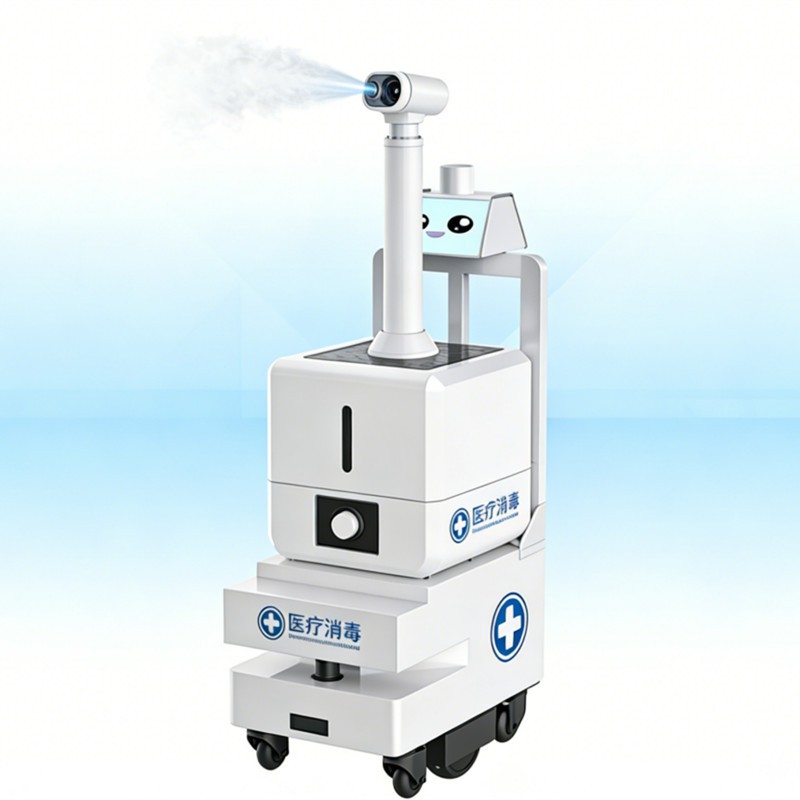
These robots are programmed to cover all the necessary areas and can be scheduled to operate at specific times, ensuring that the environment remains clean and safe for patients and healthcare providers.
6. Specimen Delivery
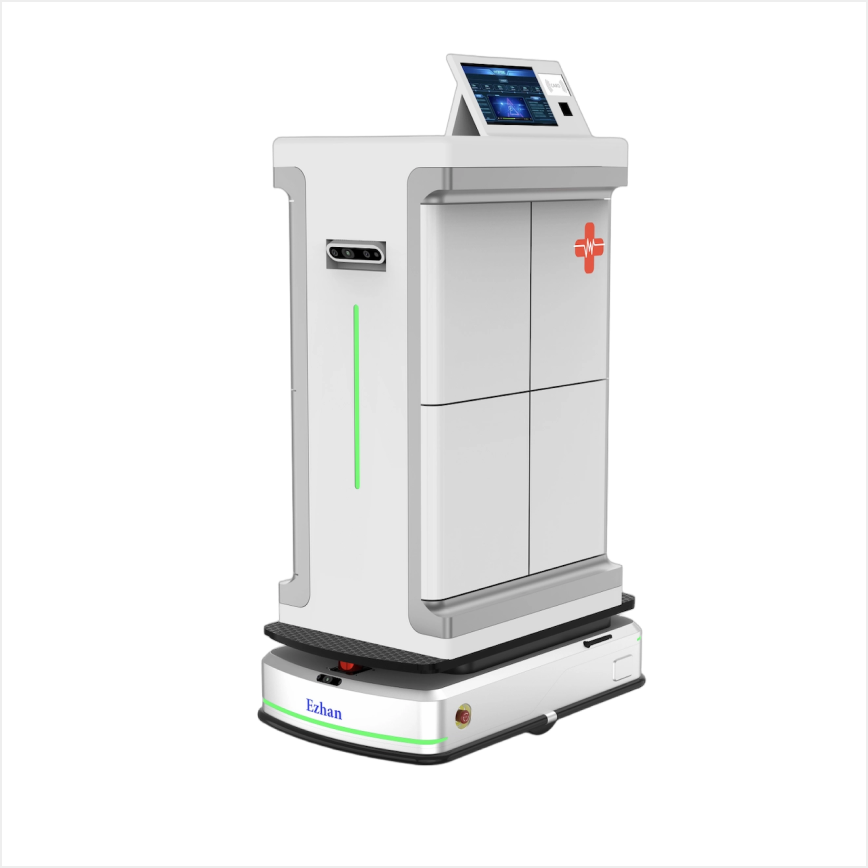
In a hospital setting, timely delivery of specimens is crucial for accurate diagnosis and treatment. Our Hospital Specimen Delivery AMR can transport specimens, such as blood samples, urine samples, and tissue samples, from the patient's bedside to the laboratory in a timely and efficient manner.
These robots are equipped with secure compartments to ensure the safety and integrity of the specimens. They can also be tracked in real - time, allowing the healthcare team to know exactly where the specimens are at all times.
7. Contactless Delivery
To minimize the risk of infection transmission, our Contactless Delivery AMR can be used to deliver meals, supplies, and other items to patients' rooms without direct human contact.
These robots can navigate through the hospital using advanced mapping and navigation technology, avoiding obstacles and delivering items to the correct location. They can also be programmed to interact with patients, providing them with information about their delivery and answering any questions they may have.
8. Psychological Support
Recovering from surgery can be a stressful and anxiety - inducing experience for patients. Our robots can provide psychological support by engaging with patients, offering words of encouragement, and even playing games or providing entertainment.
Some of our robots are equipped with artificial intelligence that allows them to have natural conversations with patients, understand their emotions, and provide appropriate responses. This can help to reduce patients' stress and anxiety, which in turn can have a positive impact on their recovery.
Why Choose Our Healthcare Service Robots?
Our healthcare service robots are designed with the latest technology and are built to meet the specific needs of post - operative care. They are reliable, efficient, and easy to use, making them a valuable asset for any healthcare facility.
We also offer comprehensive training and support to ensure that healthcare providers can use our robots effectively. Our team of experts is always available to answer any questions and provide assistance whenever needed.
If you're interested in learning more about how our healthcare service robots can assist in post - operative care, or if you're considering purchasing our robots for your healthcare facility, we'd love to hear from you. Contact us today to start a conversation about how we can help you improve the quality of post - operative care in your hospital or clinic.
References
- "Robotics in Healthcare: Current Applications and Future Potential" - Journal of Healthcare Robotics
- "The Role of Service Robots in Post - Operative Patient Care" - International Journal of Medical Robotics and Computer - Assisted Surgery