

As a supplier of multi-scenario delivery robots, I've witnessed firsthand the remarkable evolution and potential of this technology. In this blog, I'll explore the development trends of multi-scenario delivery robots, drawing on our experiences and industry insights.
The Current Landscape of Multi-scenario Delivery Robots
Multi-scenario delivery robots are designed to operate in various environments, including warehouses, factories, hospitals, and even outdoor urban settings. These robots are equipped with advanced sensors, navigation systems, and artificial intelligence algorithms to navigate complex terrains, avoid obstacles, and deliver goods efficiently.
One of the key advantages of multi-scenario delivery robots is their ability to automate repetitive and labor-intensive tasks. In warehouses, for example, these robots can pick and transport goods from one location to another, reducing the need for manual labor and improving operational efficiency. In hospitals, they can deliver medications, supplies, and specimens, freeing up healthcare professionals to focus on patient care.
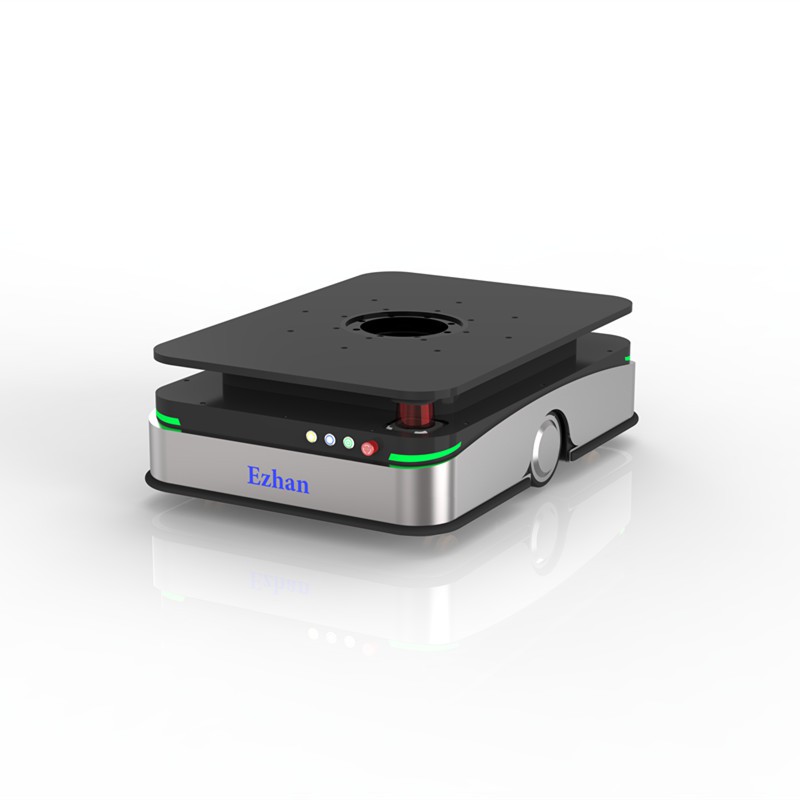

Technological Advancements Driving the Trend
The development of multi-scenario delivery robots is being driven by several technological advancements, including:
Artificial Intelligence and Machine Learning
AI and machine learning algorithms enable robots to learn from their environment, adapt to changing conditions, and make intelligent decisions. For example, robots can use computer vision to identify objects, navigate through complex environments, and avoid collisions. Machine learning algorithms can also be used to optimize delivery routes, predict demand, and improve overall efficiency.
Sensor Technology
Advanced sensors, such as LiDAR, cameras, and ultrasonic sensors, provide robots with real-time information about their surroundings. These sensors enable robots to detect obstacles, measure distances, and navigate through complex environments with precision. For example, LiDAR sensors can create a 3D map of the environment, allowing robots to plan their routes and avoid collisions.
Connectivity and Communication
Robots can communicate with each other and with central control systems using wireless networks. This enables them to coordinate their movements, share information, and work together to achieve common goals. For example, in a warehouse, multiple robots can work together to pick and transport goods, improving overall efficiency.
Industry Applications and Use Cases
Multi-scenario delivery robots are being used in a wide range of industries, including:
E-commerce and Logistics
In the e-commerce and logistics industry, multi-scenario delivery robots are used to automate order fulfillment processes. These robots can pick and pack items, transport them to the shipping area, and even deliver them to customers' doorsteps. For example, Amazon uses robots in its warehouses to pick and transport goods, improving efficiency and reducing costs.
Healthcare
In the healthcare industry, multi-scenario delivery robots are used to deliver medications, supplies, and specimens. These robots can navigate through hospitals, avoiding obstacles and delivering items to the correct locations. For example, in some hospitals, robots are used to deliver medications to patients' rooms, reducing the risk of human error and improving patient safety.
Manufacturing
In the manufacturing industry, multi-scenario delivery robots are used to transport materials and components between different production stations. These robots can work in harsh environments, such as factories and warehouses, and can operate 24/7, improving productivity and reducing costs. For example, in the automotive industry, robots are used to transport car parts between different assembly lines, improving efficiency and reducing the risk of accidents.
Future Trends and Challenges
Looking ahead, the development of multi-scenario delivery robots is expected to continue at a rapid pace. Some of the future trends and challenges in this field include:
Increased Autonomy
As AI and machine learning technologies continue to advance, multi-scenario delivery robots are expected to become more autonomous. These robots will be able to make decisions independently, adapt to changing conditions, and operate without human intervention. For example, robots may be able to navigate through complex environments, avoid obstacles, and deliver goods without the need for human guidance.
Integration with Other Technologies
Multi-scenario delivery robots are likely to be integrated with other technologies, such as drones, autonomous vehicles, and smart cities. This integration will enable robots to operate in a wider range of environments and perform more complex tasks. For example, drones may be used to deliver goods to remote locations, while autonomous vehicles may be used to transport robots between different locations.
Safety and Security
As multi-scenario delivery robots become more widespread, safety and security will become increasingly important. These robots will need to be designed and programmed to operate safely in a variety of environments, and to protect against cyber threats. For example, robots may need to be equipped with sensors and cameras to detect and avoid collisions, and to protect against unauthorized access.
Our Product Offerings
At our company, we offer a range of multi-scenario delivery robots to meet the needs of different industries and applications. Our robots are designed to be highly flexible, efficient, and reliable, and are equipped with the latest technologies to ensure optimal performance.
One of our popular products is the 3C Electronic AMR, which is specifically designed for the 3C electronics industry. This robot is capable of transporting small and medium-sized electronic components, such as circuit boards and mobile phones, with high precision and efficiency.
Another product is the Omnidirectional Robot, which is designed for use in warehouses and factories. This robot is equipped with omnidirectional wheels, allowing it to move in any direction with ease. It can also be used to transport heavy loads, such as pallets and containers.
We also offer the SMT Material Delivery AMR, which is designed for the surface mount technology (SMT) industry. This robot is capable of transporting SMT materials, such as reels and trays, with high precision and efficiency.
Conclusion
Multi-scenario delivery robots are a rapidly evolving technology that has the potential to revolutionize the way we live and work. As the technology continues to advance, we can expect to see more widespread adoption of these robots in a variety of industries and applications.
At our company, we are committed to providing high-quality multi-scenario delivery robots that meet the needs of our customers. If you are interested in learning more about our products or would like to discuss your specific requirements, please contact us to schedule a consultation. We look forward to working with you to find the best solution for your business.
References
- [1] Robotics Industry Association. "Multi-Scenario Delivery Robots: Transforming Industries."
- [2] International Federation of Robotics. "World Robotics Report."
- [3] McKinsey & Company. "The Future of Logistics: Automation and the Supply Chain."